 Copyright © 2026 Lumex. All rights reserved.

Discover Colorful Luxury Gems
Fancy color diamonds display a wide range of hues and intensities. Review the current Lumex catalogue to see which colours, sizes and specifications are available.
Discover the unrivaled beauty, scarcity, and skill that lie behind each tint. This is more than just shining—this is color redefined.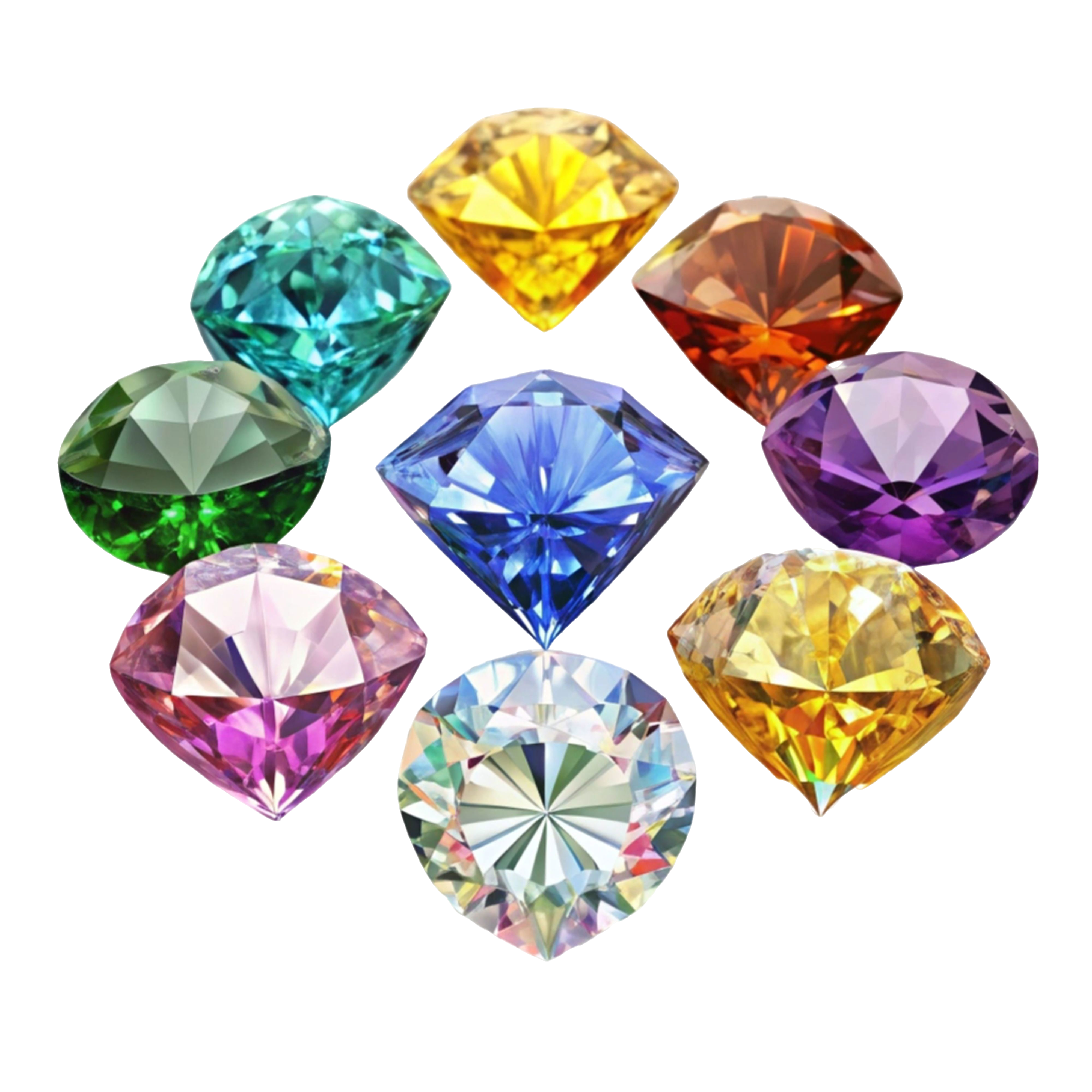
What are Fancy Color Diamonds?
Feel the very rare and natural beauty of Fancy Color Diamonds, whose colors are the most vivid and extraordinary creations of nature. A diamond can have its own specific color spectrum, i.e., it can be a cheerful yellow, a sparkling pink, a deep blue, or a dark green. These remarkable stones are not only rare but also characterized by their light and sparkle, thus becoming an integral part of the main designer's idea and attracting admiring eyes.
Use the current Lumex catalogue to compare any natural fancy color diamonds listed by colour, intensity, shape and other specifications. Availability can change, so review the individual diamond details before purchasing.


| Carat Range | Color Range (White) | Clarity Range | Length | Width | Height | Grading Reports |
|---|---|---|---|---|---|---|
| 0.30 to 20.00 | D to M | FL to SI2 | 1 to 100 | 1 to 100 | 1 to 100 | See individual diamond listing |
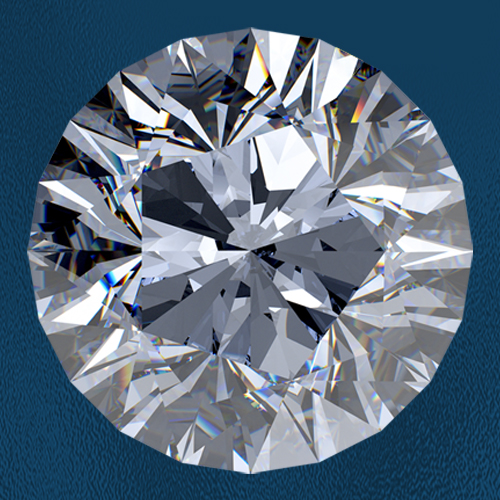
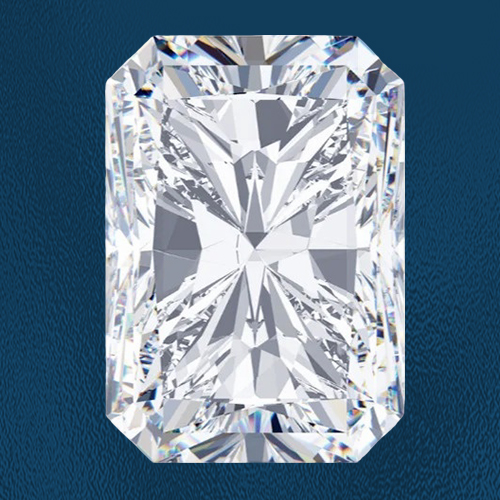
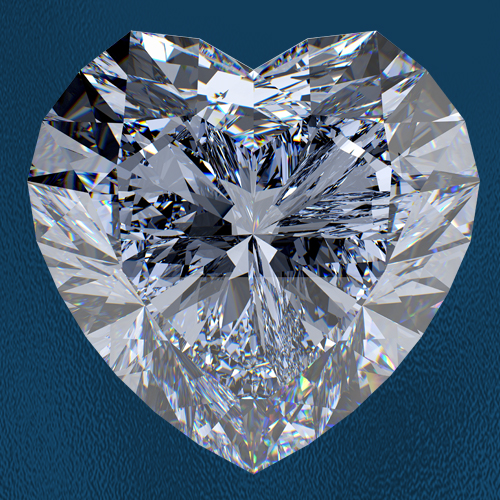
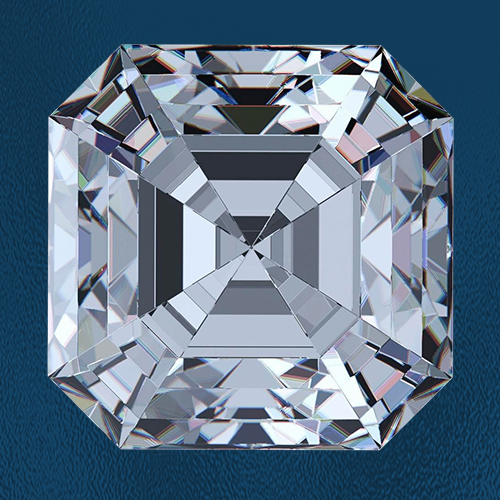
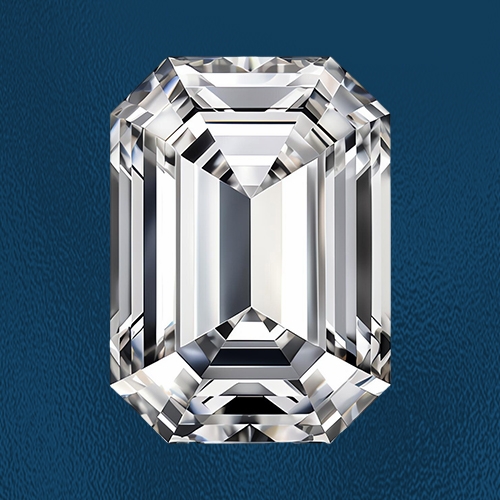
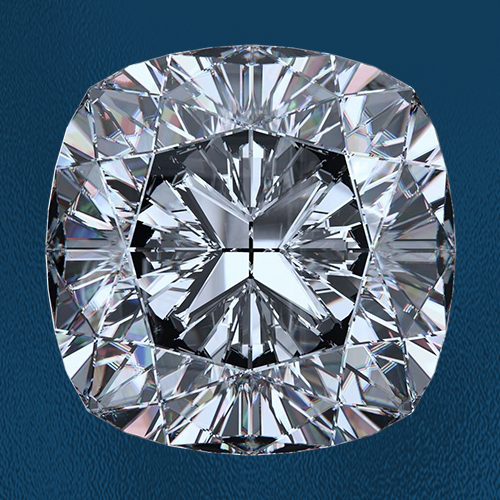
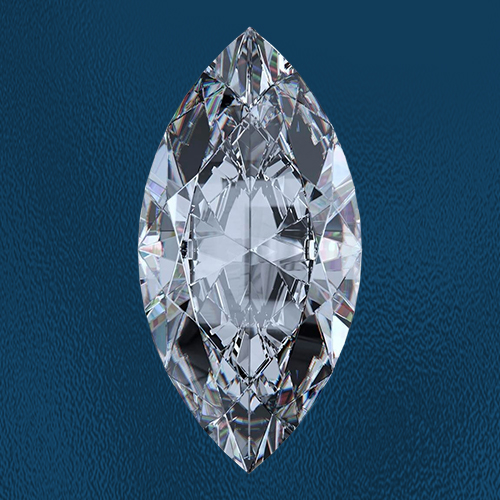
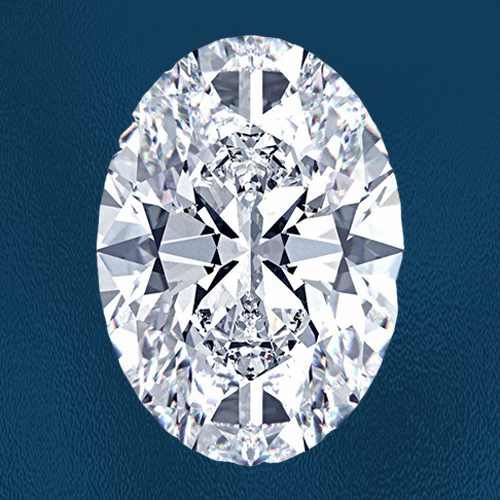
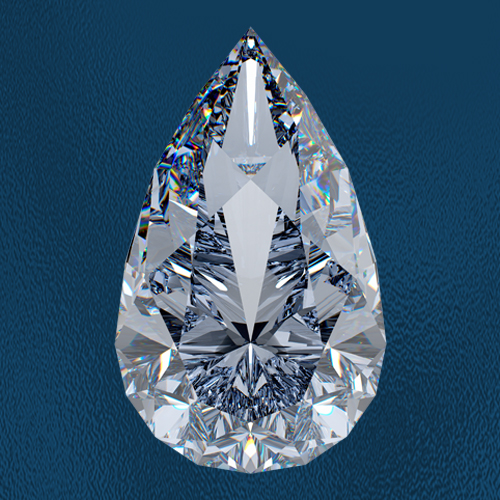
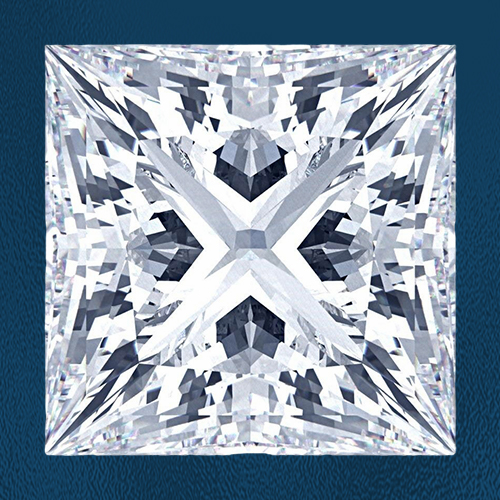
Discover the secret of the ideal cut that enhances the beauty of Fancy Color Diamonds. Every shape; whether radiant, cushion, pear, oval, or heart—is delicately made to bring out the diamond’s color and brightness. The perfect cut not only increases color but also gives a gemstone's distinct character. The collection consists of modern, edgy forms to soft and dreamy ones; it has the right shapes that spark the imagination of designers, attraction of collectors, and enhance their jewellery masterpieces. Step into a realm of mesmerizing diamonds where precise cutting skillfully merges with vivid color, granting them exceptional rarity, elegance, and superb craftsmanship.
Are All Colored Diamonds Fancy Color Diamonds?
Absolutely not; a diamond that has a color doesn’t necessarily mean it’s a fancy color diamond. The term “fancy” is specifically applied to diamonds that have a very distinct, vivid, and prominent color. There are also diamonds that only have a very faint or ghostly tint, and hence these diamonds are graded either colorless or near-colorless, so they remain outside of the fancy category. For a diamond to be classified as a fancy color diamond, it has to possess all three qualities of color, namely, intensity, saturation, and consistency, and thus it can be regarded as a diamond that really stands out.
Lab Grown Colored Diamonds
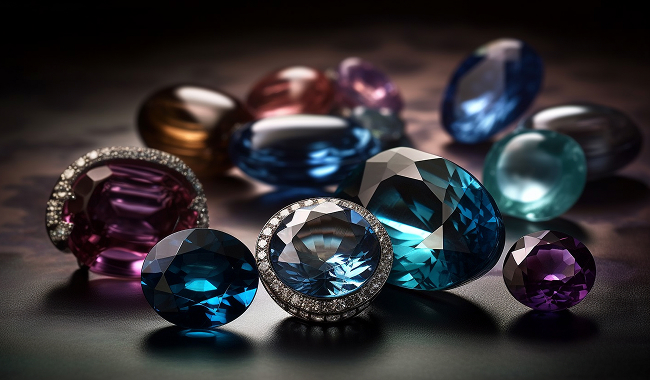
Lab-created colored diamonds are produced under controlled conditions using HPHT or CVD technology rather than by geological formation. Natural and lab-grown diamonds trade in different markets, and neither future value nor resale performance should be assumed. When a grading report is listed, verify the issuing laboratory, report number and identification details for that diamond.
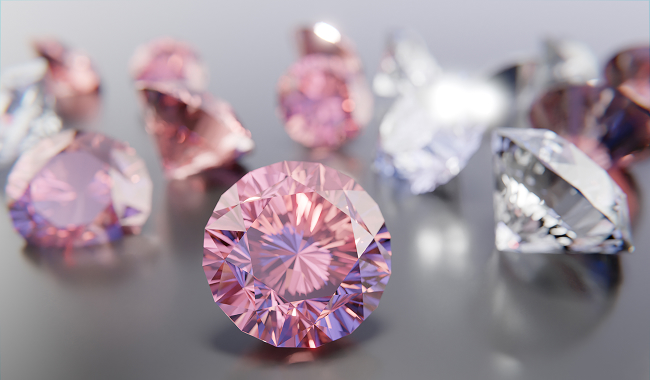
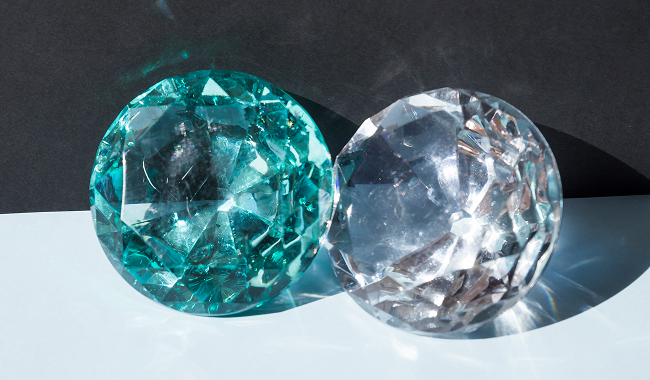
How are Fancy Color Diamonds Created?
The colors of diamonds are created by the Earth’s extraordinary and unique intervention during their formation deep inside the planet. All diamonds are carbon, but the stunning variety of colors of the colored diamonds is due to trace elements and structural distortions. Every natural colored diamond has a very interesting tale to tell regarding its journey through time and geology. The occurrence of the most famous hues is explained in the following list.
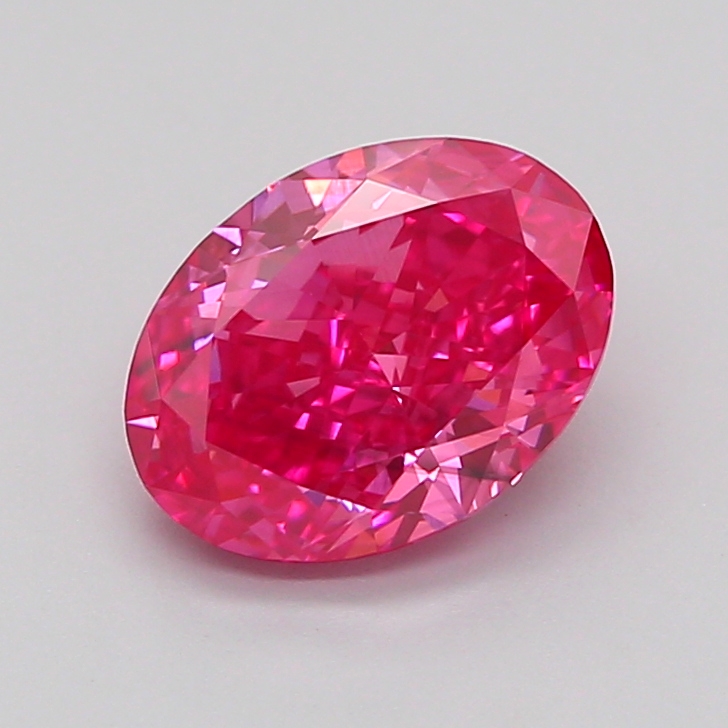
The pink diamonds get their color from the crystal lattice's structural distortions caused by the plastic deformation during formation. Light interacts differently, and thus a pink hue is produced. Other diamonds are colored by chemical impurities, and they are not so to speak, "made" pink by distortions.
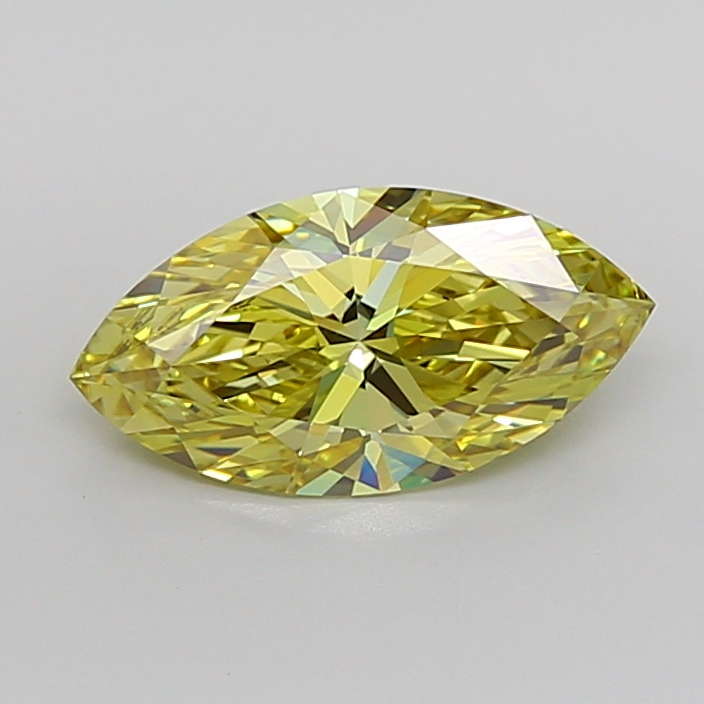
The golden hue of a diamond indicates the presence of nitrogen atoms in its lattice, with more nitrogen causing a deeper yellow color.
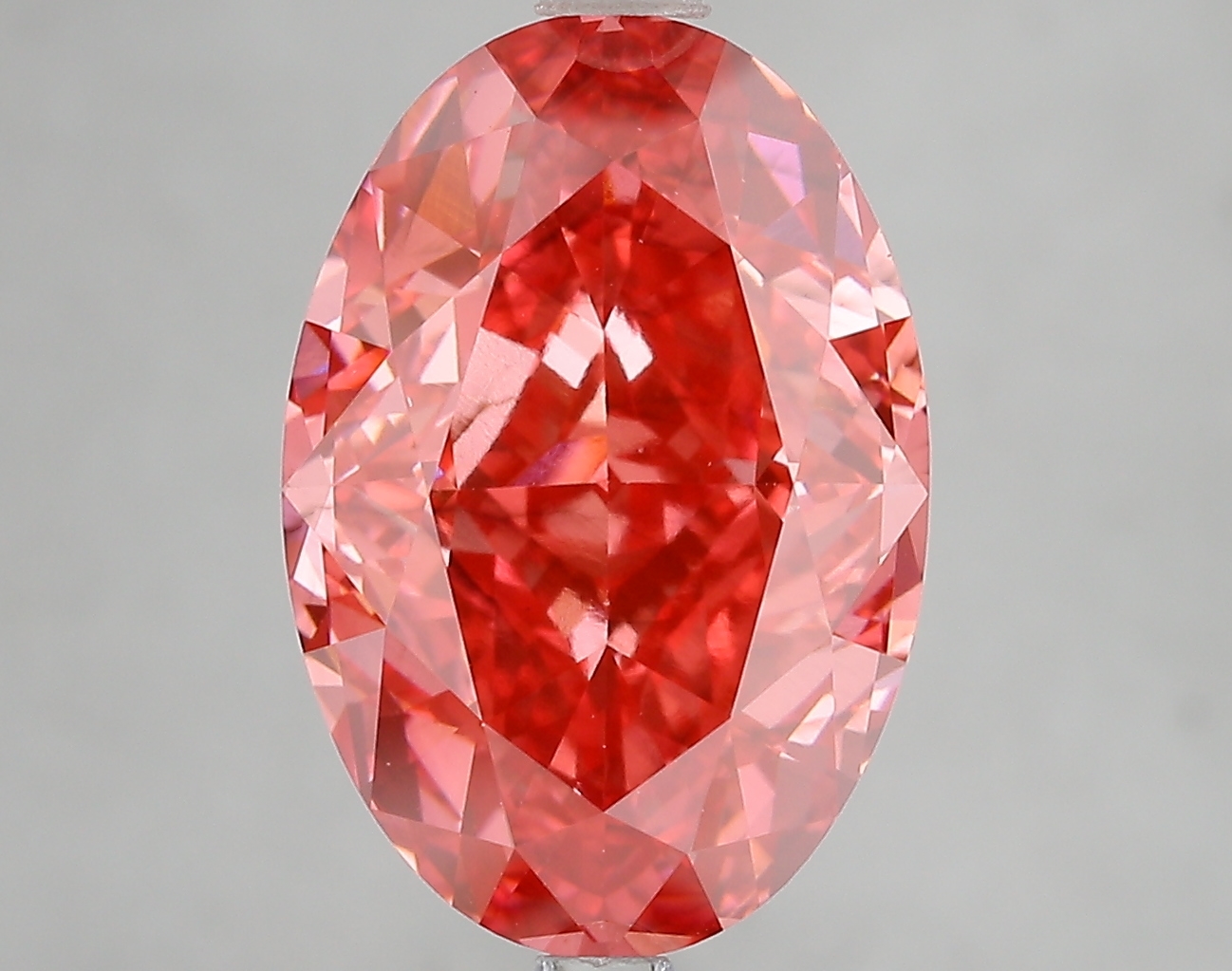
The rarest of all colored diamonds are red diamonds, whose distinctive red color is the result of structural distortions like those in pink diamonds but at a much higher intensity.
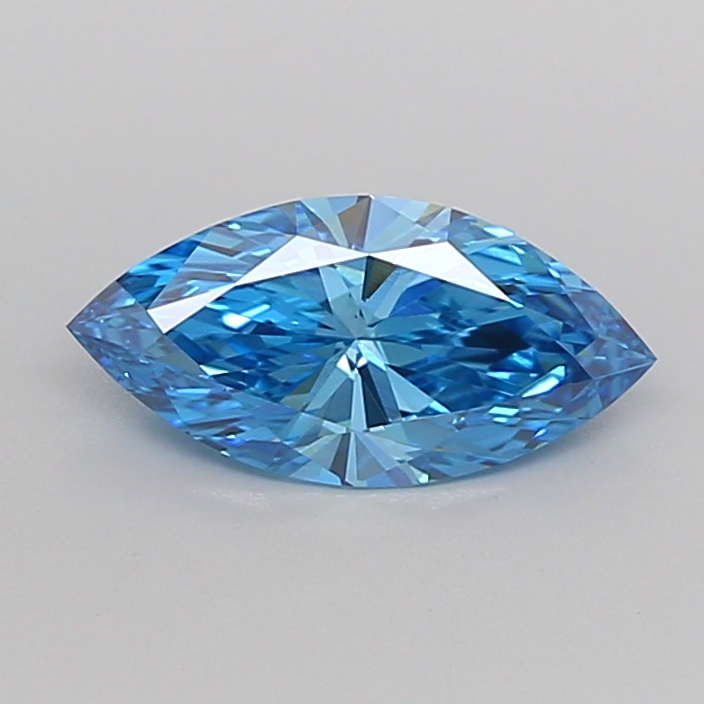
A minute quantity of boron impurities is responsible for the blue diamond's enchanting blue color. Boron absorbs some light wavelengths making shades of blue come out.
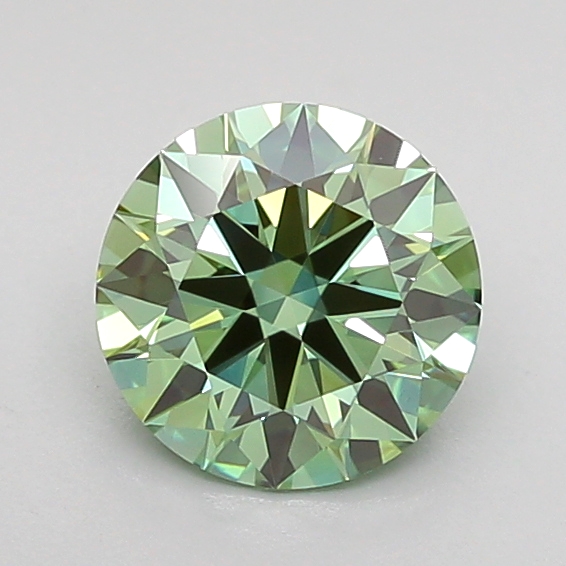
Natural radiation exposure over the long span of a million years is the reason why green diamonds acquire their color. This exposure affects the carbon atoms in their structure.
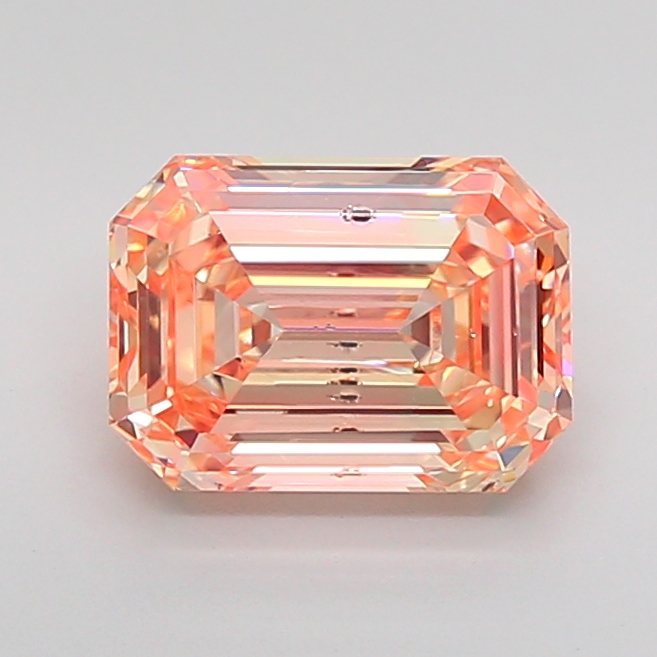
The presence of nitrogen atoms arranged a certain way that absorbs both blue and yellow light is the reason why orange diamonds are colored.
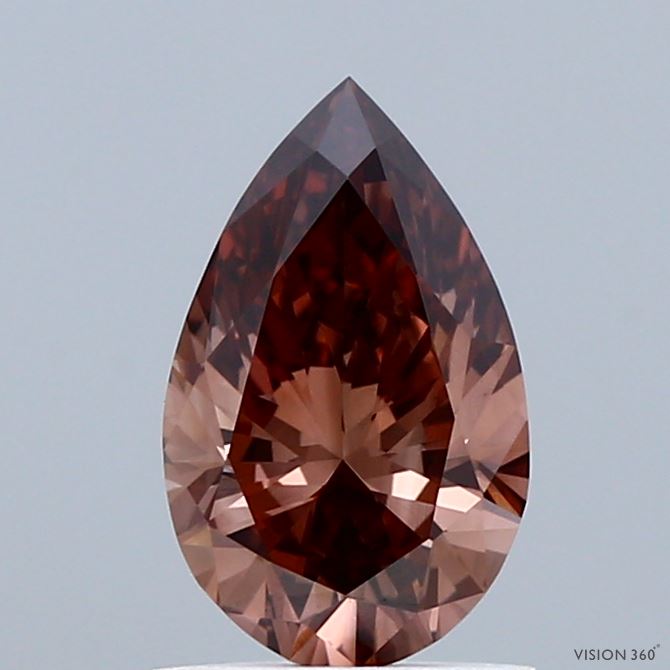
Brown diamonds, or rather “chocolate diamonds," are often called due to their color coming from structural defects and nitrogen impurities.

Review the current catalogue and individual seller information
Natural fancy color diamond options when listed
Secure platform for verified buyers
Grading-report details when listed for an individual diamond
Exclusive access after login
Fancy Color Diamonds are a form of natural gemstones that keep their color even in low-light conditions. The appearance of color is one of the main factors in the valuation of these jewels.
Indeed. The majority of the Fancy Color Diamonds produced by Mother Nature are very rare, especially the vivid ones in pink, blue, and green colours. Rarity is a major factor in the price and demand of these stones.
The grading is done according to the parameters of Hue, Tone, and Saturation. GIA, for instance, has classifications like Faint, Light, Fancy Light, Fancy, Fancy Intense, Fancy Vivid, and Fancy Deep.
Rarity can influence market prices, but future value and resale performance are uncertain. Do not treat past prices or general rarity as a guarantee of investment returns.
Some of the most popular diamond shapes include Cushion, Radiant, Pear, Oval, Round, Heart, Marquise, and Emerald cuts, which all bring out the color differently depending on the cutting techniques.
Lab-grown coloured diamonds have a diamond crystal structure but are produced in controlled environments rather than by geological formation. Their market, availability and pricing differ from natural fancy color diamonds.
The price considers the factors of color intensity, rarity, size, shape, clarity, and demand in the market altogether. Vividly colored diamonds are even purer and, therefore, the most expensive.
When a grading report is listed, verify its number with the issuing laboratory and review how the report identifies the diamond, its colour grade and whether it was evaluated as natural or laboratory-grown.