


Blog
Top 7 Myths About Lab Grown Diamonds
12 Jun 2025
Lab grown diamonds gain increasing popularity and are widely bought for their beauty, value, and ethical nature. Still, there do remain many misunderstandings and myths regarding lab diamonds. This blog tries to clear some of those common myths and addresses the facts associated with lab grown diamonds in much simpler terms.
Myth 1: Lab Grown Diamonds Are Fake
Truth:
Lab grown diamonds are real diamonds with the same chemical and physical properties as natural ones, but formed in a lab using advanced technology in weeks or months. They look, shine, and are strong, but even trained gem experts need special tools to distinguish them.
Myth 2: Lab Grown Diamonds Don’t Have Value
Truth:
Lab grown diamonds, like natural diamonds, have value and can be appraised, insured, and sold. However, they may not retain their original retail price if resold. Buying a lab grown diamond offers a high-quality gem at a better price, eliminating mining costs and rarity markups.
Myth 3: Lab Grown Diamonds Are Not Trustworthy Easily
Truth:
Lab-grown diamonds, created since the 1950s for industrial use, have gained popularity over 15 years and are graded and certified by reputable institutions like the Gemological Institute of America (GIA) and International Gemological Institute (IGI), similar to natural diamonds.
Myth 4: Lab Grown Diamonds Are Not as Durable
Truth:
Lab grown diamonds, made of pure carbon in a crystal structure, are the hardest natural material on Earth, with a perfect 10 on the Mohs scale of hardness, making them ideal for everyday wear, including engagement rings and wedding bands.
Myth 5: Lab Grown Diamonds Can Be Easily Identify
Truth:
Lab-grown and natural diamonds are virtually identical in appearance and color, but gemologists can only distinguish between them using advanced equipment and testing. Both types sparkle and come in various shapes, sizes, and colors.
Myth 6: Lab Grown Diamonds Are Bad for the Environment
Truth:
Lab grown diamonds, often produced using renewable energy, have a smaller environmental impact than mined diamonds, which can cause land disruption, water pollution, and heavy machinery use. Some labs focus on sustainable practices, such as solar or wind power.
Myth 7: Lab Grown Diamonds Are a Passing Fad
Truth:
The lab-grown diamond industry is experiencing growth due to consumer awareness and ethical demand. With advancements in technology and reduced production costs, it is expected to become more prevalent in jewelry, offering a sustainable and ethical alternative.
Conclusion
In conclusion, Lab grown diamonds are a modern, ethical, and valuable option for those seeking quality without the high cost of mined diamonds. They are becoming increasingly trusted and respected, especially when certified by a trusted lab like GIA or IGI. As more people learn about these diamonds, they can be a reliable choice for engagement rings, gifts, and personal treats.
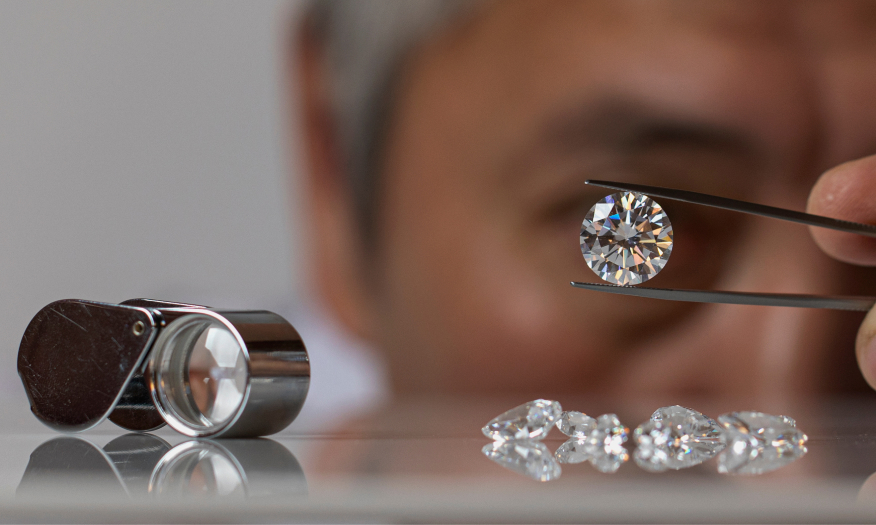
Explore diamonds available through the Lumex marketplace.
Use the catalogue filters and individual diamond details to compare current availability, specifications, grading information and prices.
FEATURES FOR BUYERS
 User friendly search filters
- Memo access where enabled for an approved account
- Current prices and available promotions
- Registration terms for each account type
- Credit access where separately approved
- Grading-report details when listed for a diamond