


Blog
The Process Of Making Lab Grown Diamonds
19 Aug 2025
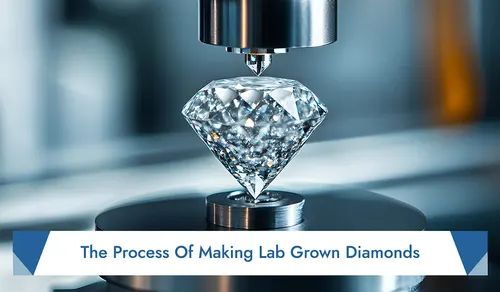
The allure of diamonds has been associated with tremendous geological pressure and billions of years of formation Deep within the Earth. But human innovation has rewritten the entire story. Lab-grown diamonds, sometimes referred to as cultivated, engineered, or synthetic diamonds, are chemically, physically, and optically indistinguishable from the mined ones. The sole difference lies in their origin. These are very real diamonds carefully grown by human hands in a controlled environment. You will be guided through the how to make lab grown diamonds as well as exact and fascinating scientific methods involved in the making of these stunning gems-from tiny seeds to fully finished stones.
What Is Lab Grown Diamond?
Lab grown diamond is a lab made diamond, possessing the same chemical, physical, and optical properties. They are prepared under a well-controlled environment by advanced technological processes, basically duplication of the checks and balances within the natural diamond formation process in the bowels of the earth.
how to make lab grown diamonds
Lab diamonds are a very broad category. There are different kinds of lab-grown gemstones.
Here are a few:
Lab Grown Diamonds:
Lab-grown diamonds are also known as cultured or engineered diamonds; lab diamonds are created in controlled environments, whereby conditions to form diamonds naturally are stimulated under the Earth.
Cubic Zirconia:
It is made of zirconium dioxide; cubic zirconia is somewhat similar to diamonds but lacks the hardness and brilliance of diamonds. For that reason, it is more affordable and compared to lab diamonds.
Synthetic diamond:
Synthetic diamond are produced via lab grown diamond. These diamond can be used for different industry application such as cutting tools.
Lab Grown Diamond Making Process
There are two primary methods used to make lab grown diamonds
1. High Pressure High Temperature (HPHT):
This imitates the natural formation of diamonds by subjecting the carbon to immense pressure and temperature. The seed is placed in carbon and subjected to temperatures of nearly 1,500°C and pressures reaching 1.5 million pounds per square inch. The carbon melts and crystallizes to become a diamond around the seed.
2. Chemical Vapor Deposition (CVD):
A blank diamond seed is placed into a sealed chamber filled with gas containing carbon, such as methane. The gas is ionized into plasma by a microwave or laser, which breaks the gas molecules apart. The carbon atoms then settle onto the seed to form a diamond layer by layer.
Both of these methods produce high-quality diamonds that can be used for industrial purposes and jewellery making.
HPHT and CVD diamonds processes are complex and require significant energy, producing diamonds that are virtually identical to mined diamonds, even to gemological professionals without specialized equipment.
Cutting And Polishing Of Lab Grown Diamond
All rough diamonds-pure or engineered, cut and polished, much to the magnificence of their final shape.
Rough Diamond Assortment: This is the initial step of sorting diamonds in shapes, sizes, weights, and other parameters. At this moment, rough diamonds are also sorted into those that can be broken into multiple pieces and those that can be directly sent for the next steps
Planning and Marking: The next step would be to plan and mark the diamond room for diamonds to be cut into, and how soon. The planning of lab-grown diamond cutting may be undertaken manually or by means of an automated procedure on software.
Cutting and Polishing: Diamond shaping and brittling, and cutting-polishing are all part of this stage. The procedure could either be carried out manually or through a computer-guided laser. It is the phase where a rough diamond is transformed into a cut and polished lab diamond into a chosen shape.
Grading Of Lab Grown Diamond
Color: Colorless lab diamonds are more wanted, but those that come with a little splash of color, mainly brown or yellow, are also desired.
Cut: The cut creates reflection and refraction of light in the stone; therefore, the best choice for a lab worked-on diamond would be an excellent cut.
Clarity: Diamond clarity refers to how clear the diamond is or the lack of impurities, blemishes, inclusions, or cracks affecting it. The fewer the imperfections, the higher the clarity and performance. Hence, one must aim for lab diamonds with better clarity.
Carat: The word 'carat' stands for the weight of diamonds. But size should not be considered the only parameter for judging diamond value.
Conclusion
Making synthetic diamonds is one of the highly specialized processes. Due to the surge in the popularity of lab-grown diamonds, the demand in the market is also very high. So, for a connoisseur, possessing the knowledge and insight into how diamonds are produced in laboratories is crucial. At lumex offers lab grown diamond manufacturers in India .
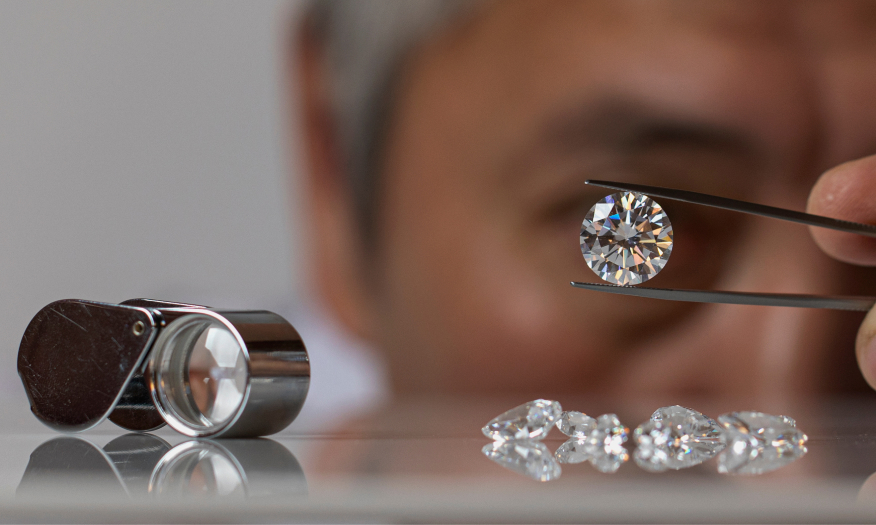
Explore diamonds available through the Lumex marketplace.
Use the catalogue filters and individual diamond details to compare current availability, specifications, grading information and prices.
FEATURES FOR BUYERS
 User friendly search filters
- Memo access where enabled for an approved account
- Current prices and available promotions
- Registration terms for each account type
- Credit access where separately approved
- Grading-report details when listed for a diamond