


Blog
The Brilliance Of Innovation: Your Complete Guide To Lab Grown Diamond
14 Jul 2025
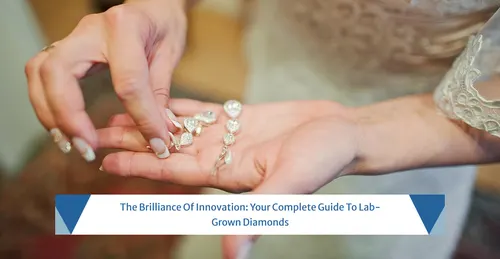
For centuries, diamonds have symbolized love and commitment, as well as an enduring beauty. Since ancient times, diamonds have been seen as symbols of love and beauty because they are real stones mined from the earth. Yet with the introduction of lab-grown diamonds, a paradigm shift is taking place in the gemstone industry. Lab grown diamond have the same chemical, physical, and optical properties as their mined counterparts; opposite in nature, they are formed in laboratories based on top technology under tightly controlled conditions. The following guide will cover the world of lab grown diamond, the benefits of lab-grown diamonds, and how they are created, giving anyone considering a diamond for that next piece of jewelry some helpful information.
What is Lab Grown Diamond?
Lab grown diamond is a lab made diamond, possessing the same chemical, physical, and optical properties. They are prepared under a well-controlled environment by advanced technological processes, basically duplication of the checks and balances within the natural diamond formation process in the bowels of the earth. There are two commonly used methods: Chemical Vapor Deposition (CVD) and High-Pressure High-Temperature (HPHT).
Note: Are you curious about how lab grown diamond are invented Read the History and extraction process of HPHT lab grown diamond
Types Of Lab Grown Diamonds
There are two primary methods used to create lab-grown diamonds:
1. High Pressure High Temperature (HPHT):
This imitates the natural formation of diamonds by subjecting the carbon to immense pressure and temperature. The seed is placed in carbon and subjected to temperatures of nearly 1,500°C and pressures reaching 1.5 million pounds per square inch. The carbon melts and crystallizes to become a diamond around the seed.
2. Chemical Vapor Deposition (CVD):
A blank diamond seed is placed into a sealed chamber filled with gas containing carbon, such as methane. The gas is ionized into plasma by a microwave or laser, which breaks the gas molecules apart. The carbon atoms then settle onto the seed to form a diamond layer by layer.
Both of these methods produce good-quality diamonds that can be used for industrial purposes and jewellery making.
HPHT and CVD processes are complex and require significant energy, producing diamonds that are virtually identical to mined diamonds, even to gemological professionals without specialized equipment.
Advantages Of Lab Grown Diamond
The rise of lab grown diamond comes with the following advantages:
Ethical Source
man made diamonds bring a key advantage by eliminating conflict and "blood diamond" issues, guaranteeing transparent supply chains, and peace of mind through avoiding human rights violations and environmental destruction.
Environment Friendly
Lab-grown diamonds have less environmental impact than conventional diamond mining since they need less land disturbance, water usage, and carbon emissions.
Superior Quality And Clarity
Lab diamonds, because they are created under controlled conditions, can provide exceptional clarity and color, providing larger, clearer, more colorful diamonds at a lower price than mined diamonds.
Cost Effective
Lab diamonds are generally cheaper than mined diamonds, enabling consumers to receive bigger diamonds, opt for higher color or clarity grades, and buy several smaller diamonds for intricate designs.
Innovative Technology
Lab created diamonds represent contemporary innovation, advanced technology, advancement, and wise decisions, and therefore, they are a representation of advancement and wise decisions.
Factors to Consider When Buying Lab Grown Diamond
When buying lab diamonds in India. Several factors come under consideration, starting from origin to traceability, certification, and finally, the quality of lab diamonds. Let’s look for the 4 factors while buying LGD :
The 4Cs
When buying lab diamonds, it’s important to consider the factor —the 4Cs—that is color, cut, clarity, and carat.
Color:
Colorless lab diamonds are more wanted, but those that come with a little splash of color, mainly brown or yellow, are also desired.
Cut:
The cut creates reflection and refraction of light in the stone; therefore, the best choice for a lab worked-on diamond would be an excellent cut.
Clarity:
Diamond clarity refers to how clear the diamond is or the lack of impurities, blemishes, inclusions, or cracks affecting it. The fewer the imperfections, the higher the clarity and performance. Hence, one must aim for lab diamonds with better clarity.
Carat:
The word 'carat' stands for the weight of diamonds. But size should not be considered the only parameter for judging diamond value.
Conclusion
Lab grown diamonds are the sparkling result of science, sustainability, and innovation coming together. Offering the same brilliance, beauty, and durability as mined diamonds—without the environmental impact or high price tag—they’re redefining modern luxury. Whether you're celebrating love, milestones, or personal style, lab-grown diamonds let you shine smarter and brighter.
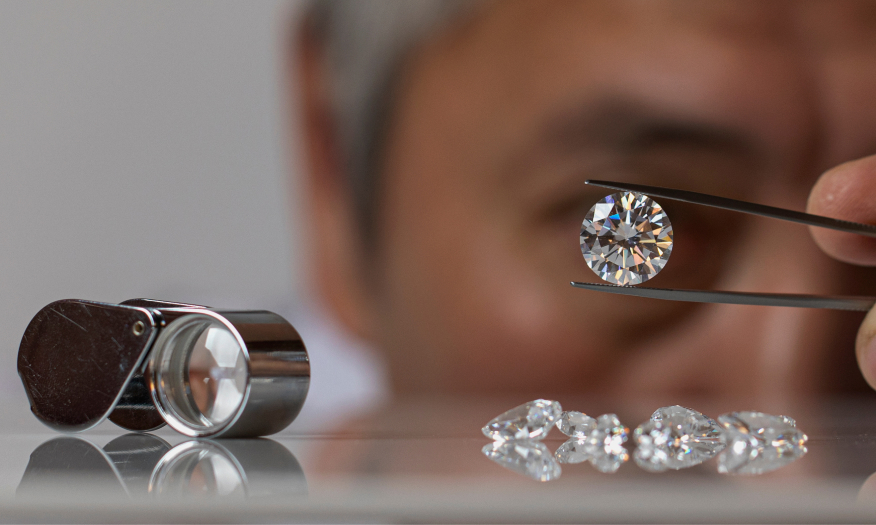
Explore diamonds available through the Lumex marketplace.
Use the catalogue filters and individual diamond details to compare current availability, specifications, grading information and prices.
FEATURES FOR BUYERS
 User friendly search filters
- Memo access where enabled for an approved account
- Current prices and available promotions
- Registration terms for each account type
- Credit access where separately approved
- Grading-report details when listed for a diamond